
Free and low-cost roof repair help for Connecticut homeowners
By Dana Whitfield · Updated 2026-08-12
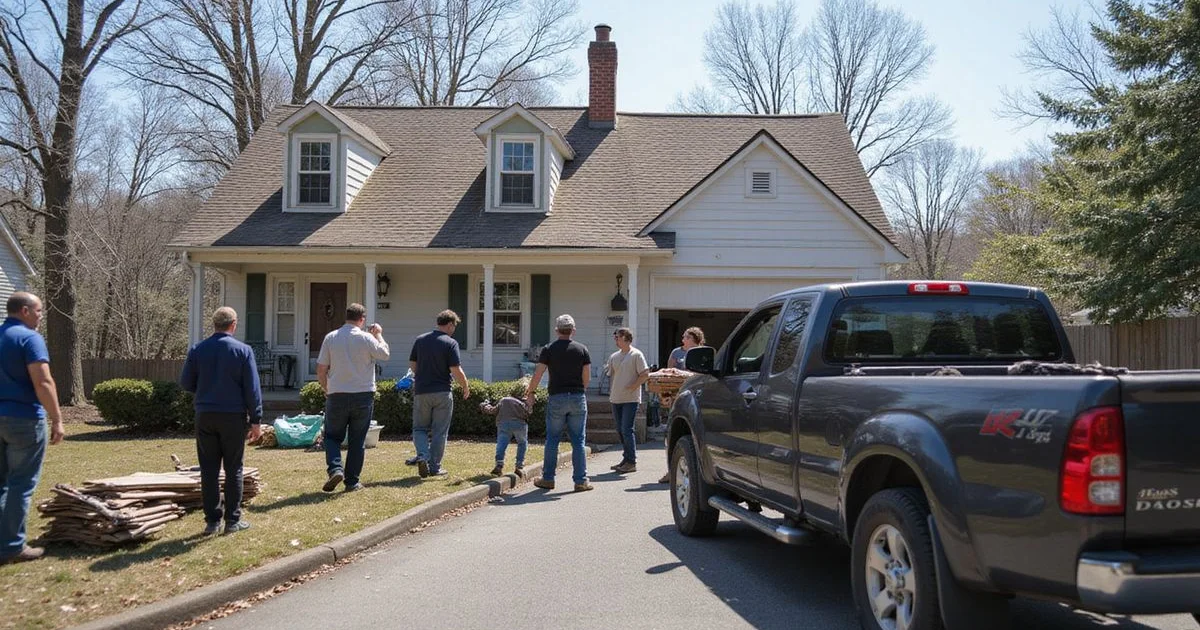
A roof problem does not wait for a convenient time in the budget, and for homeowners on a tight income, the gap between “needs fixing” and “can afford to fix” can feel impossible to close. There is no single program that covers every homeowner’s roof, but there are real paths worth checking before assuming a repair is simply out of reach.
Program availability, eligibility rules, and funding levels change over time and vary by town and household situation. Treat this as a starting list of where to look, not a guarantee of what you will qualify for. Confirm current details directly with each program.
Where to start looking
| Resource type | Who it typically helps |
|---|---|
| State weatherization assistance programs | Income-qualified households, often prioritizing energy efficiency and related structural repairs |
| Area Agency on Aging | Seniors seeking repair assistance or referrals to local volunteer programs |
| Veteran service organizations and the VA | Veterans facing home repair or accessibility needs |
| Local nonprofit home repair organizations | Low-income homeowners, often with a volunteer labor component |
| Municipal or town assistance programs | Varies by town; worth a call to your local town hall or community services office |
| Contractor financing and payment plans | Homeowners who do not qualify for assistance programs but need to spread out cost |
State and municipal programs
Connecticut administers weatherization and energy-related assistance programs aimed at income-qualified households, which sometimes cover structural repairs connected to energy efficiency, such as attic or roof-related work, though the scope depends on the specific program and current funding. Your town’s community services or social services office is a practical first call, since many towns maintain or know about local assistance resources that are not widely advertised.
Questions worth asking any program before you apply
Ask what the program actually covers, whether it is a grant, a low-interest loan, or volunteer labor only, since these have very different implications for your finances. Ask about the current waitlist length and application timeline, since some programs process applications quickly while others run on annual cycles with limited slots. Confirm income or eligibility thresholds directly, since these can change year to year and vary between neighboring towns.
Nonprofit and volunteer-based repair help
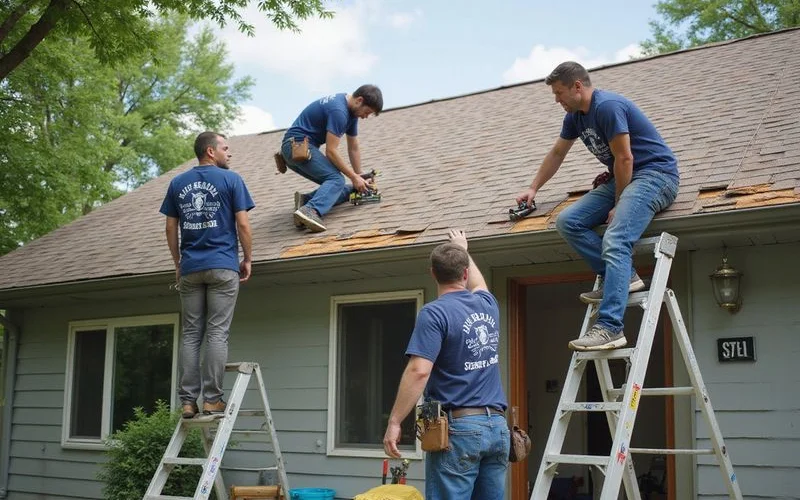
National organizations focused on home repair for low-income homeowners, seniors, and people with disabilities sometimes operate chapters or projects in Connecticut, often relying on volunteer labor to reduce or eliminate cost. Availability and project timelines vary widely, and most have a waitlist or application process, so this is a path to start early rather than in the middle of an active leak.
Veterans and seniors
Veterans facing roof repair needs can start with the VA or a local veteran service organization, which can often point toward grant or loan programs specific to housing accessibility and repair. Seniors have a similar starting point through their local Area Agency on Aging, which frequently maintains referral lists even when it does not fund repairs directly itself.
If assistance programs are not an option
Not every household will qualify for an assistance program, and funding for the ones that do exist is often limited. If that is your situation, the next best move is asking contractors directly about financing or payment plan options rather than assuming a full cash payment is the only path forward; many roofing companies offer structured payment plans specifically because cost is such a common barrier. Getting multiple quotes also matters here, since pricing for the same scope of work can vary meaningfully between contractors.
When you are ready to start getting quotes, whether through an assistance program or paying out of pocket, roofing contractors across Connecticut is a reasonable place to compare options, and this directory’s rubric page explains how those listings are ranked.
A tight budget does not mean a roof problem has to sit unaddressed indefinitely. It usually means a bit more research upfront, a phone call or two to programs that may not advertise well, and a willingness to ask contractors directly about flexible payment options.
FAQ
- Is there a state program that pays for roof repairs in Connecticut?
- There is no single blanket program that covers roof replacement for every homeowner. Assistance tends to be need-based, tied to income, age, disability, or veteran status, and administered through specific state, municipal, or nonprofit programs. Eligibility and funding availability change, so confirm current details directly with the program before assuming you qualify.
- Do veterans have specific resources for home repair help?
- Veterans facing home repair needs, including roof issues, can often start with the VA or veteran service organizations, which may direct them to relevant grant or loan programs. Availability depends on individual eligibility and current program funding.
- Can seniors get help paying for a roof repair?
- Some Area Agencies on Aging and senior service organizations maintain lists of local repair assistance programs or volunteer organizations. It is worth a call to your local agency to ask what currently exists in your area.
- What if I do not qualify for any assistance program?
- Ask contractors directly about financing or payment plan options, and get multiple quotes, since pricing and payment flexibility both vary meaningfully between roofing companies.