
Roofing contractor licensing in Connecticut: what to check before you hire
By Dana Whitfield · Updated 2026-07-04
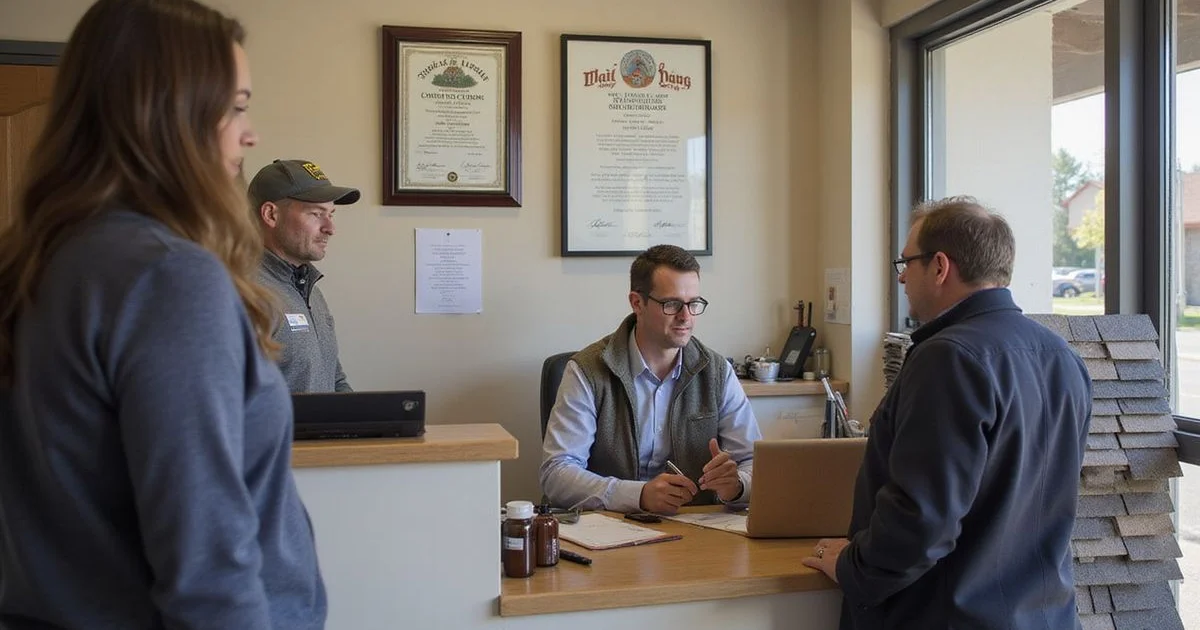
Before a roofing contractor sets foot on your property, one of the fastest and most useful checks you can do costs nothing: confirming they are properly registered to do the work. Connecticut requires most contractors doing residential repair or improvement work to hold a Home Improvement Contractor (HIC) registration, and skipping this step is one of the most common regrets homeowners report after a roofing job goes wrong.
This guide is general information about how contractor registration works in Connecticut, not legal advice. For a specific dispute or contract question, talk to a licensed attorney or contact the Department of Consumer Protection directly.
Why registration matters more than it sounds
A contractor working on an existing home under a home improvement contract needs to be registered with the Connecticut Department of Consumer Protection (DCP). This is separate from the license required for new home construction. Registration does not test a contractor’s craftsmanship, but it does confirm the business is on record with the state, has met the paperwork requirements to operate legally, and can be looked up if something goes wrong. In directory reviews for roofing and siding work across the state, a small but real share of complaints specifically call out contractors who were not registered with the DCP, alongside issues like unresponsiveness after payment and jobs that were never finished. Those two problems tend to show up together.
What to check before you sign anything
| Check | Why it matters |
|---|---|
| HIC registration number | Confirms the business is on record with the state for home improvement work |
| Certificate of insurance | Protects you if a worker is injured or property is damaged during the job |
| Physical business address | A real, checkable address is harder to fake than a phone number alone |
| Recent, verifiable reviews | Shows a pattern of finished jobs, not just promises |
| Written contract before deposit | Required by state law for home improvement work over a certain dollar threshold |
Ask for the registration number directly and look it up yourself rather than taking a business card at its word. A legitimate, established contractor will not hesitate to share it, and most list it on their own website or paperwork already.

Red flags that show up alongside licensing problems
A handful of warning signs tend to cluster together in the complaints homeowners report about roofing work gone wrong: pressure to pay a large deposit in cash before any work begins, a business name that closely mimics a well-known, established company, reluctance to provide a written contract, and crews that show up late or not at all after the deposit clears. None of these alone proves a problem, but together they are worth pausing over. A contractor who is confident in their standing with the state and their own track record generally has no reason to rush you past these questions.
Insurance matters just as much as the registration number
A registration number confirms legal standing, but a certificate of insurance is what actually protects you financially if something goes wrong during the job. Ask specifically for proof of both general liability insurance and workers’ compensation coverage, and consider calling the insurer listed to confirm the policy is active rather than relying on a document that could be outdated. Without workers’ comp coverage on the contractor’s side, an injury on your property during the job can become your liability rather than theirs, which is a far more expensive problem than a slightly higher quote from a fully insured competitor.
How to move forward once a contractor checks out
Once you have confirmed registration and insurance, the next step is comparing quotes on scope, not just price, and getting everything in writing before a deposit changes hands. If you are still building a shortlist, browsing roofing contractors in Connecticut is a reasonable starting point, and this directory explains how listings are ranked on its rubric page, which weighs review sentiment, rating, and completeness rather than who pays for placement.
Licensing and insurance checks take fifteen minutes and cost nothing, which makes them one of the highest-value steps in the entire hiring process. Do them before you fall in love with a quote, not after a deposit is already gone.
FAQ
- Do roofing contractors need a license in Connecticut?
- Contractors doing home improvement work on existing residential property, which covers most roof repair and replacement jobs, must register as Home Improvement Contractors (HIC) with the Connecticut Department of Consumer Protection. New home construction is a separate license category.
- How do I check if a roofer is actually registered?
- The Connecticut Department of Consumer Protection maintains a public license lookup where you can search by business name or license number before you sign anything.
- Does a valid license mean a contractor is good?
- No. Registration confirms the business meets the state's baseline legal requirements; it does not guarantee workmanship quality. Pair the license check with recent reviews and a written, itemized quote.
- What happens if I hire an unregistered contractor?
- You lose access to state consumer protections tied to registered contractors, and you have less recourse if the job goes wrong. It is also a signal worth taking seriously about how the business operates generally.