
Does homeowners insurance cover roof replacement in Connecticut
By Dana Whitfield · Updated 2026-07-18
Homeowners insurance is one of the most misunderstood parts of a roof replacement decision. Some homeowners assume any roof problem is covered; others assume nothing is. The real answer sits in between, and it depends heavily on why the roof needs work in the first place.
Insurance coverage details vary by policy and insurer. This is general information, not a substitute for reading your specific policy or speaking with your insurance agent about your coverage.
The line insurers draw: sudden damage versus wear and tear
Most homeowners policies are built around covering sudden, accidental damage from a specific event: a windstorm that tears shingles loose, a tree limb that punctures the decking, or hail that dents metal roofing and bruises asphalt shingles. What most policies exclude is damage from gradual deterioration: a roof that is simply old, has worn-out shingles, or has developed leaks over years of normal wear. An insurer’s logic is that maintenance and replacement at the end of a roof’s expected life is the homeowner’s responsibility, not an insurable event.
| Cause of damage | Typically covered | Typically not covered |
|---|---|---|
| Wind storm tearing off shingles | Yes | |
| Tree limb falling on roof | Yes | |
| Hail impact damage | Often, check policy specifics | |
| Age-related wear and worn shingles | Yes | |
| Gradual leak from lack of maintenance | Yes | |
| Ice dam damage, depending on cause and policy | Sometimes | Sometimes |
Because the line between “storm damage” and “old roof that a storm made worse” is not always obvious, this is exactly the kind of situation where a professional inspection report matters. It documents what an adjuster sees weeks or months after the event, when memory alone is not enough.
What documentation actually helps a claim
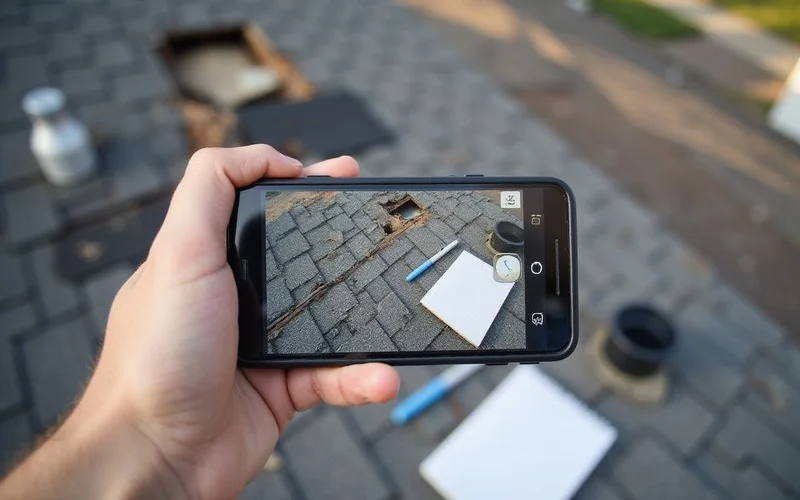
Photograph everything as soon as it is safe to do so, ideally before any tarping or temporary repair changes what the damage looks like. Note the date and, if known, the specific storm or event that caused it. A written inspection report from a roofing contractor describing the type and extent of damage adds credibility beyond photos alone, since it comes from someone with professional judgment about what caused what.
Deductibles and how they interact with a roof claim
Most homeowners policies apply a standard deductible to a roof claim, though some Connecticut insurers use a separate, often percentage-based deductible specifically for wind or hail events, which can be higher than your standard deductible. Check your policy’s declarations page for how your specific deductible is structured before assuming a claim will be worth filing; a small area of damage may cost less to repair out of pocket than the deductible itself.
Working with your insurer’s adjuster
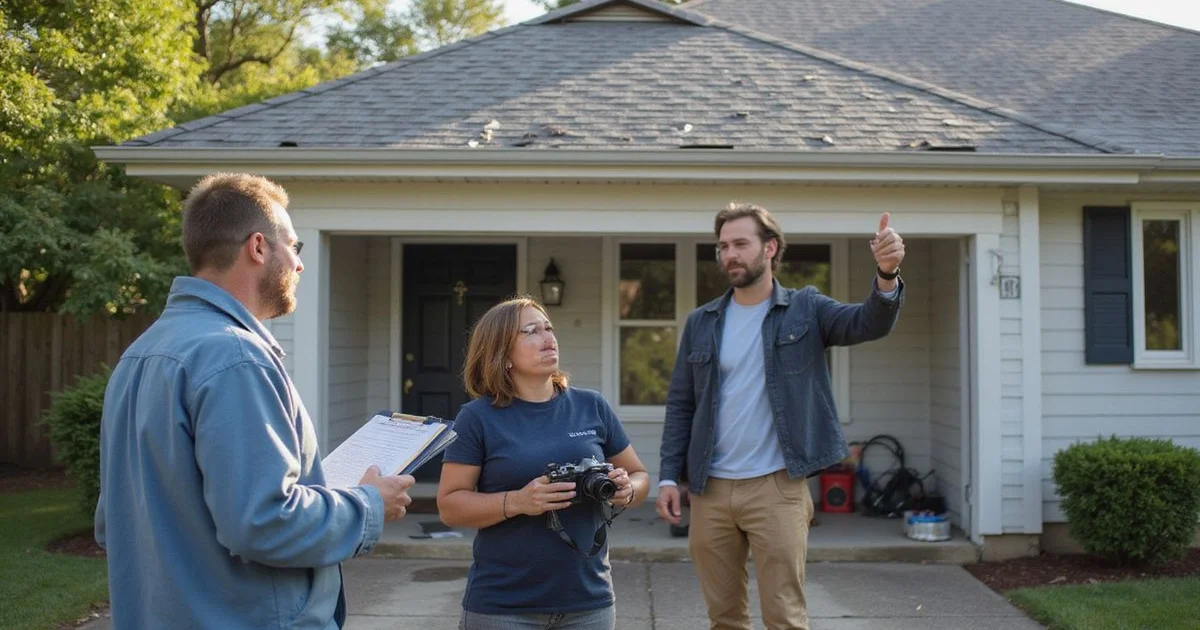
The insurance company will typically send an adjuster to inspect the damage before approving a claim. It is reasonable to have your roofing contractor present during that visit, since they can point out damage the adjuster might miss and speak to typical repair scope. The adjuster’s assessment, not the contractor’s estimate, ultimately determines what the insurer pays, so it helps to understand that a contractor’s inspection report supports your claim rather than replaces the insurer’s own process.
If a claim is denied or only partly approved
Ask the insurer for the specific reason in writing. If the denial is based on age or wear rather than a specific event, an appeal is less likely to succeed unless you can show clear evidence of a triggering event. If the issue is scope, such as the insurer approving repair when you believe full replacement is warranted, a second opinion from another licensed contractor can sometimes support a reconsideration.
Getting an inspection before you file
If you are not sure whether recent weather caused real damage, a professional roof inspection is the logical first step, both to assess the roof and to build documentation if a claim turns out to be warranted. You can compare roof inspection and insurance claim specialists serving Connecticut, and see how this directory scores and ranks providers on its rubric page.
Insurance will not turn an aging roof into a free replacement, but it can meaningfully offset the cost of damage from a real, specific event. For whatever a claim does not cover, the roof financing guide walks through loan and payment plan options. Knowing which category your situation falls into, before you file, saves time and sets the right expectations from the start. If repair or replacement turns out to be needed either way, roofing contractors across Connecticut is a place to start comparing options.
FAQ
- Does homeowners insurance cover a roof that is worn out from age?
- Generally no. Most policies cover sudden, accidental damage like wind or hail, not gradual wear and tear or a roof that has simply reached the end of its expected lifespan.
- What kind of roof damage does insurance usually cover?
- Damage from a specific, sudden event, such as a wind storm tearing off shingles, a tree limb falling on the roof, or hail impact, is the type most policies are built to cover.
- How soon after storm damage should I file a claim?
- As soon as reasonably possible. Insurers often have documented time windows for filing, and photographing the damage right away, before any temporary repairs, helps support the claim.
- Can a roofing contractor help with the insurance claim?
- Many contractors have experience documenting storm damage and can provide an inspection report to support your claim, though the insurer's adjuster makes the final coverage decision, not the contractor.