
What roof replacement costs in Connecticut and what changes the price
By Dana Whitfield · Updated 2026-07-01
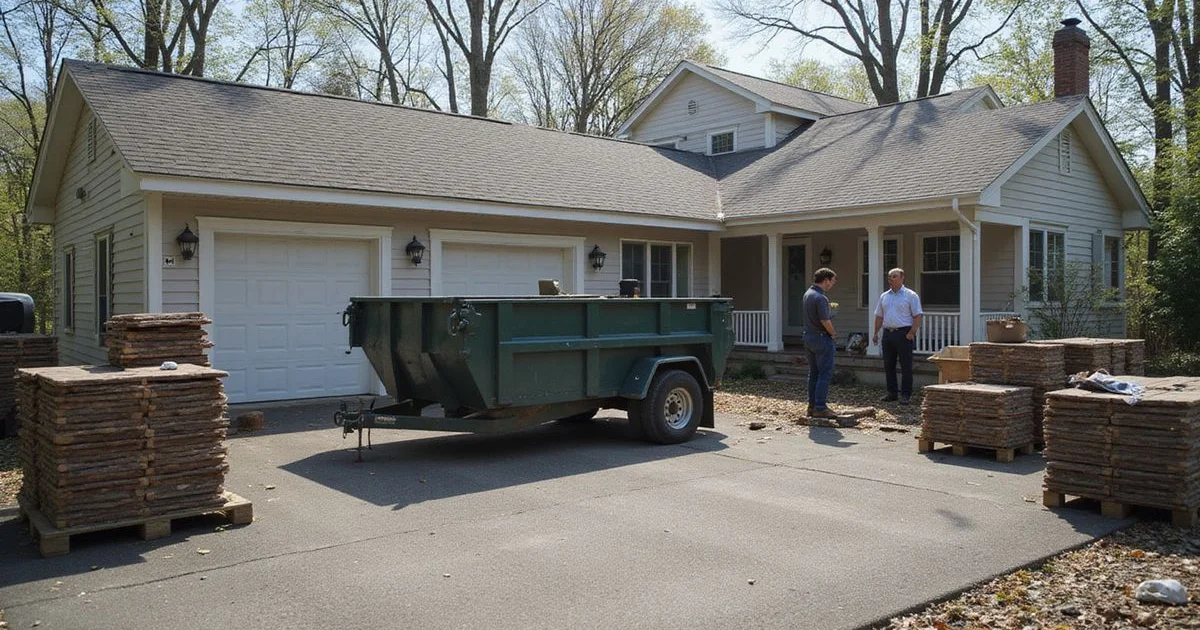
Getting a roof replaced is one of the largest checks a homeowner writes, and in Connecticut the number on that check depends on more than square footage. Roof size, material, pitch, and what a crew finds once the old shingles come off all move the price. This guide walks through what typically drives a quote up or down, so you can tell a fair bid from an inflated one before you sign anything.
What roof size and material do to the price
Roofing contractors price jobs by the “square,” a unit equal to 100 square feet of roof surface, not floor space. A 2,000-square-foot single-story home with a simple gable roof might have 22-26 squares once you account for overhangs and pitch. Material is the biggest lever after size:
| Material | Relative cost per square | Typical lifespan |
|---|---|---|
| 3-tab asphalt shingles | Lowest | 15-20 years |
| Architectural asphalt shingles | Low-mid | 25-30 years |
| Standing seam metal | Mid-high | 40-60 years |
| Tile | High | 50+ years |
| Slate | Highest | 75-100+ years |
Architectural shingles have become the default choice for most Connecticut homes because they cost only somewhat more than 3-tab but last close to twice as long. If you are weighing metal against asphalt directly, it helps to look at the two side by side before you request quotes.
The factors that change a quote beyond size
Two roofs of identical square footage can price differently for reasons that have nothing to do with the shingle bundle itself:
- Pitch and access. A steep roof, or a home with three or more stories, needs more scaffolding, harnesses, and time. Crews move slower and the labor line grows.
- Tear-off layers. If the existing roof already has two layers of shingles, code typically requires full removal before a new layer goes on, which adds a dumpster, disposal fees, and labor hours a single-layer tear-off would not need.
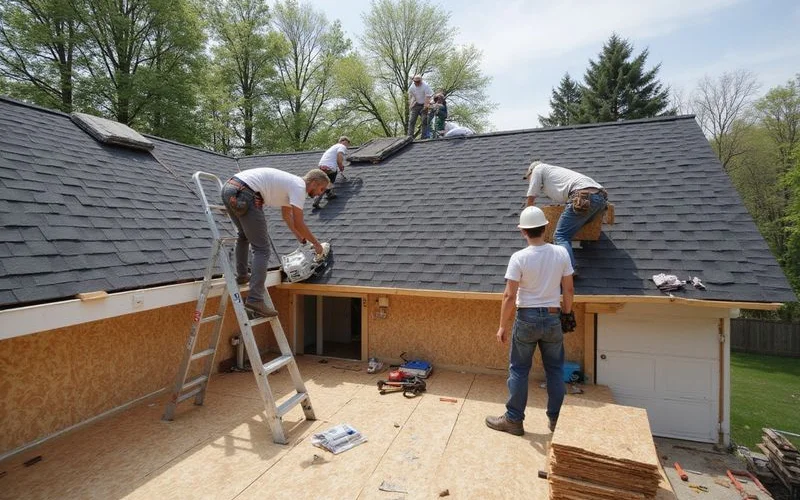
- Decking condition. Once the old shingles are off, a crew may find soft or rotted plywood decking that has to be replaced before new shingles can go down. A contractor cannot always see this from the ground, which is why final invoices sometimes include a decking change order.
- Flashing and penetrations. Chimneys, skylights, vent stacks, and roof valleys all need new flashing. A roof with several of these features costs more to finish correctly than a plain rectangular roof of the same size.
- Ventilation upgrades. Adding or upgrading ridge and soffit ventilation improves attic airflow and can extend shingle life, but it is an added-cost line if your current roof does not already have it.
Reading a quote so you know what you are paying for
A detailed, written quote should spell out material brand and product line, the number of squares, tear-off scope, decking allowance (and the per-sheet rate if more is needed), underlayment type, flashing work, ventilation, cleanup, and both warranties. If a quote is a single lump number with no breakdown, ask the contractor to itemize it before you compare it to anyone else’s bid. Homeowners who leave reviews for Connecticut roofers most often praise fair, transparent pricing and clear communication about added costs; the complaints that show up most tend to trace back to costs that grew quietly after the contract was signed.
Insurance, financing, and getting it done for less
If your roof needs replacing because of storm or wind damage rather than age, your homeowners policy may cover some or all of the cost; that is worth checking against your specific policy before you assume you are paying out of pocket. Many contractors also offer financing or payment plans, which can matter more than the sticker price if a full cash payment is not realistic right now. Whatever you choose, get at least two or three written, itemized quotes before deciding. You can compare local roof replacement and installation contractors serving Connecticut to start building that shortlist, and see how this directory scores and ranks providers on our rubric page. Once you have a contractor lined up, the step-by-step roof replacement guide covers what actually happens on install day so you know what to expect.
A roof replacement is not a purchase you make often, so a slightly slower, more careful comparison of quotes usually pays for itself. The cheapest bid on paper is not always the cheapest roof once decking surprises and callbacks are factored in, and the most expensive bid is not automatically the best-built one either. Read the scope, ask what happens if the crew finds rot, and choose the contractor who answers clearly rather than the one who quotes fastest. For a broader look at roofing contractors across Connecticut, the directory’s full listings are a good next stop once you know roughly what your project should cost.
FAQ
- What is the average cost of a roof replacement in Connecticut?
- Most asphalt shingle replacements on a typical single-family home land in the low-to-mid five figures, with the total moving up or down based on roof size, pitch, and material. Metal, tile, and slate cost noticeably more per square than asphalt.
- Why do two quotes for the same roof come back so different?
- Scope is usually the reason. One bid may include full tear-off, new decking where needed, and upgraded underlayment, while a lower bid assumes no decking repair and a single layer of standard felt. Ask each contractor to itemize what is included.
- Does a steep or complicated roof cost more to replace?
- Yes. Steeper pitches and multi-story homes require more safety equipment and slower, more careful work, and roofs with many valleys, dormers, or chimneys need more flashing labor. Both add to the total.
- Is it worth paying more for a longer warranty?
- A stronger manufacturer warranty protects against material defects, and a workmanship warranty from the contractor covers installation mistakes. They cover different things, so ask about both rather than assuming one includes the other.