
Metal roofing vs asphalt shingles: how to choose for a Connecticut home
By Dana Whitfield · Updated 2026-07-25
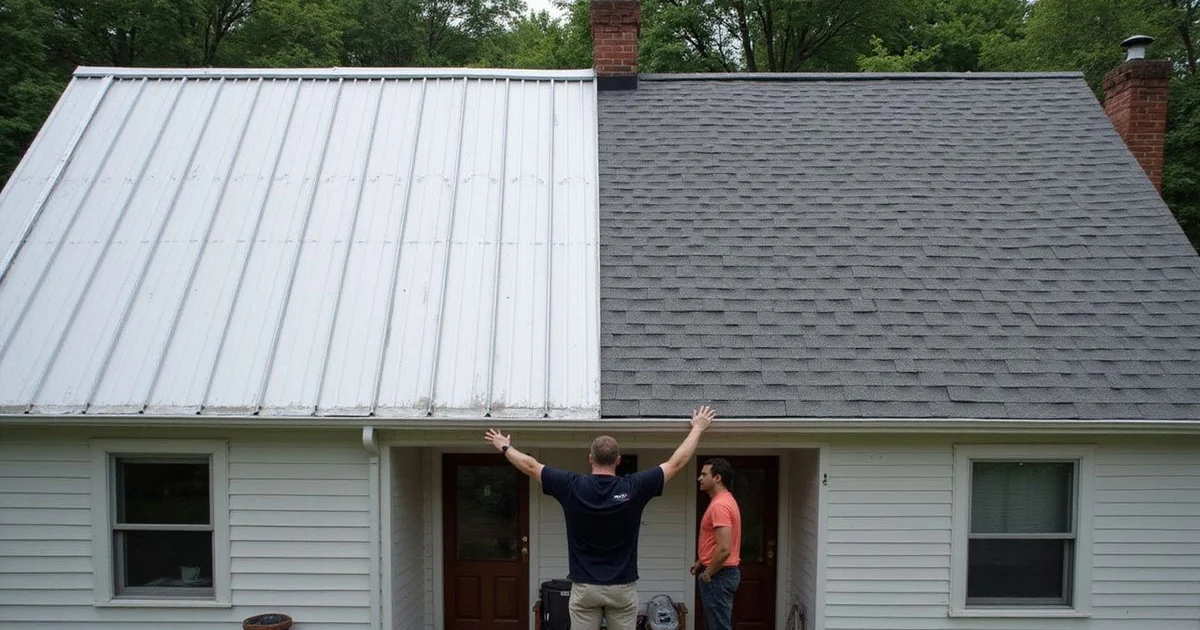
Asphalt shingles remain the default roofing material for most Connecticut homes, and for good reason: they are familiar, widely available, and less expensive upfront. But metal roofing has moved well past its old commercial-building reputation and is now a realistic residential option, particularly for homeowners planning to stay put for decades. Here is how the two actually compare.
Upfront cost and lifespan
Asphalt shingles cost less per square than metal, sometimes by a wide margin depending on the metal profile chosen. Architectural asphalt shingles typically last 25 to 30 years, while a standing seam metal roof can last 40 to 60 years with proper installation. That gap matters most if you plan to stay in the home long-term; if you expect to sell within a decade, the lower upfront cost of asphalt is harder to argue against on pure economics.
| Factor | Asphalt shingles | Standing seam metal |
|---|---|---|
| Upfront cost | Lower | Higher |
| Typical lifespan | 25-30 years | 40-60 years |
| Snow shedding | Holds snow longer | Sheds snow more readily |
| Wind resistance | Good, varies by product | Generally higher |
| Maintenance | Occasional shingle replacement | Minimal, few moving parts to fail |
| Resale perception | Familiar to most buyers | Increasingly seen as a premium upgrade |
How each performs through a Connecticut winter
Metal’s smooth surface sheds snow and ice more efficiently than the textured surface of asphalt shingles, which can reduce the weight load a roof carries during a heavy winter. That same shedding behavior means snow can slide off suddenly, which is worth planning for near walkways, decks, or parked cars, sometimes with snow guards added to control where it releases. Asphalt tends to hold snow in place longer, which some homeowners actually prefer for that reason. Both materials perform well against ice dams when paired with proper ice-and-water shield underlayment at the eaves; the underlayment matters more for ice dam prevention than the shingle or panel material itself.
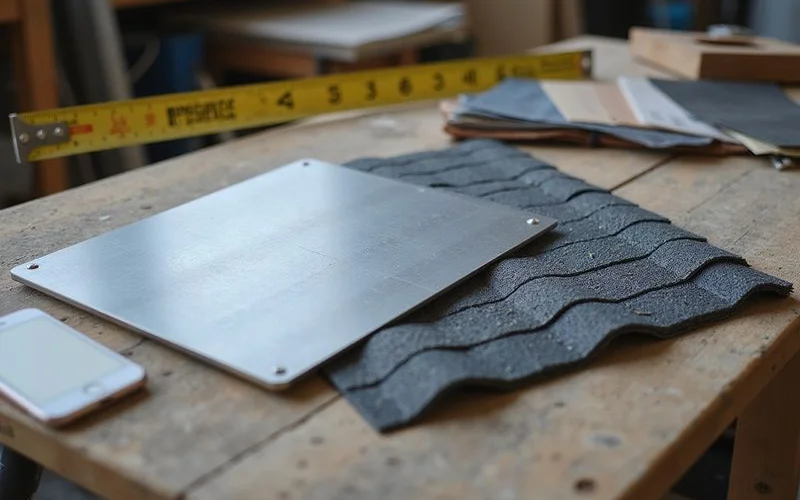
Insurance and energy considerations worth a mention
Some insurers offer modest discounts for impact-resistant or metal roofing given its wind and hail resilience, though this varies by insurer and policy, so it is worth asking your agent directly rather than assuming a discount applies. Metal roofing also reflects more solar heat than dark asphalt shingles, which can modestly reduce cooling costs in summer, a factor some homeowners weigh alongside the material’s higher upfront price.
Noise, appearance, and other practical differences
A common myth is that metal roofing is loud in the rain. With solid roof decking and standard underlayment beneath the panels, which is how residential metal roofs are installed today, the noise difference from asphalt is minimal. Where the two materials differ more visibly is appearance: asphalt offers a wide range of colors and a traditional look most buyers recognize instantly, while standing seam metal has a distinct, clean-lined appearance that reads as more modern or premium, which appeals strongly to some homeowners and less to others.
Making the decision for your situation
The honest answer to “which is better” depends on how long you plan to own the home, your upfront budget, and your appearance preference. If you are weighing the total cost over time rather than just the invoice on install day, it helps to actually run the numbers for your roof size and material choice before deciding.
Whichever material you choose, knowing what happens during the installation itself helps you plan around the days the crew is on your roof.
If you lean toward metal, look for metal roofing contractors in Connecticut with specific experience in standing seam or the panel style you want, since installation quality matters even more with metal than with asphalt. This directory’s rubric page explains how contractor listings are scored, which is worth a look regardless of which material you choose.
Neither material is objectively the wrong choice. Asphalt remains a sound, cost-effective option for most homes, and metal is a legitimate long-term investment for homeowners who value durability and low maintenance enough to pay more upfront. Knowing the real tradeoffs, rather than the myths, is what makes the decision easier, and comparing roofing contractors across Connecticut once you have picked a direction is the natural next step.
FAQ
- Is metal roofing worth the extra cost over asphalt shingles?
- It depends on how long you plan to stay in the home. Metal costs more upfront but lasts two to three times as long as asphalt, so the per-year cost can end up comparable or lower if you stay put long enough to benefit from that lifespan.
- Is metal roofing noisier in the rain than asphalt?
- With proper solid decking and underlayment beneath it, a metal roof is not noticeably noisier than asphalt during rain. Older beliefs about noisy metal roofs mostly come from metal installed directly over open framing without decking, which is uncommon in residential installs today.
- Does metal roofing handle snow and ice better than asphalt?
- Metal sheds snow more readily due to its smooth surface, which can reduce snow load, though it also means snow can slide off suddenly. Asphalt holds snow longer, which some homeowners prefer near walkways and entrances for that reason.
- Can I install metal roofing over my existing asphalt shingles?
- Some metal systems can go over an existing single layer of shingles, but a full tear-off is often recommended to inspect and repair the decking underneath. A contractor can assess whether your specific roof qualifies.