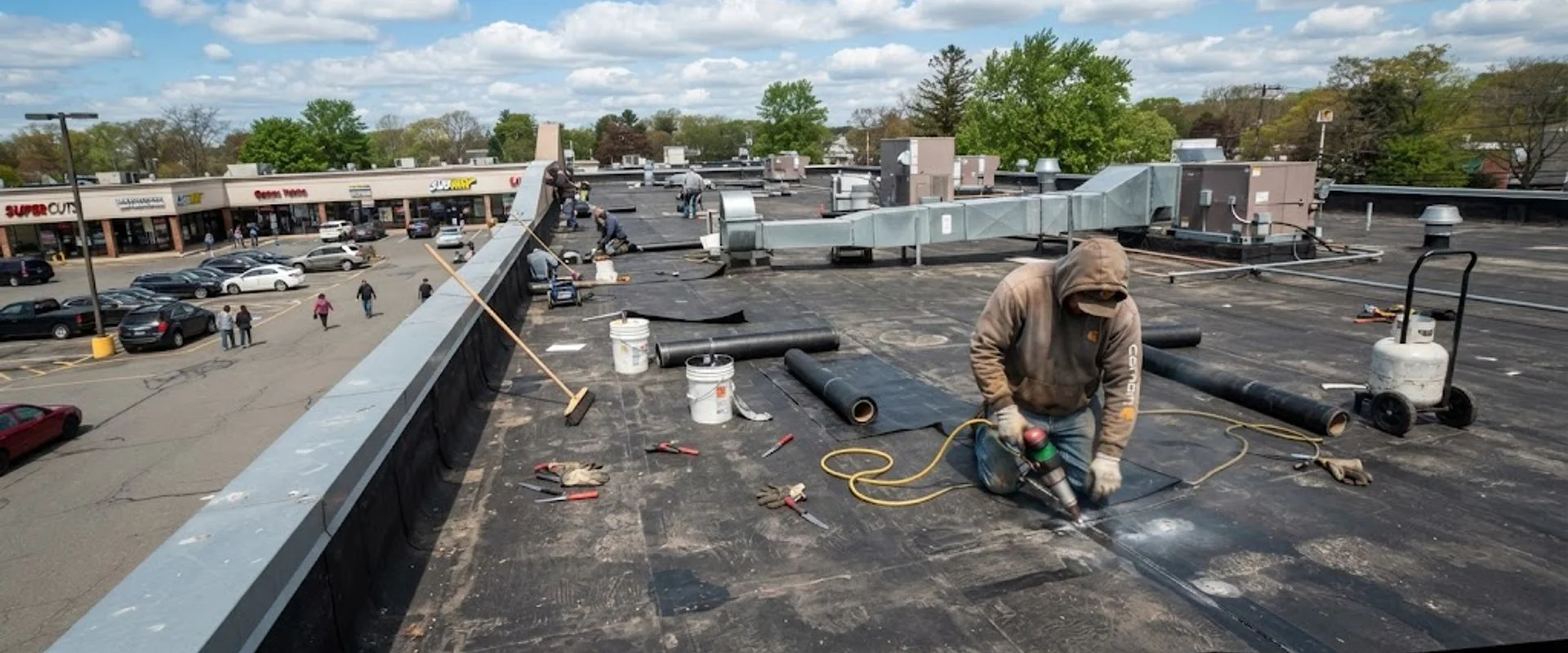
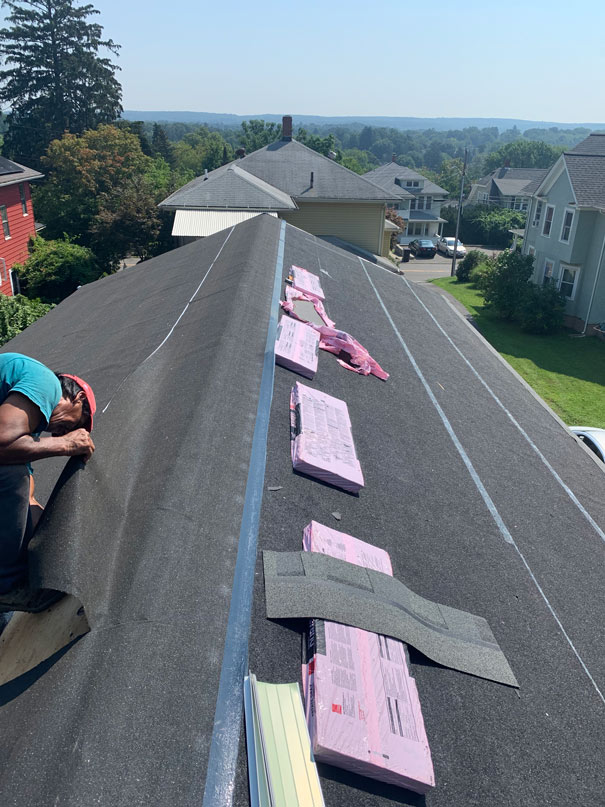
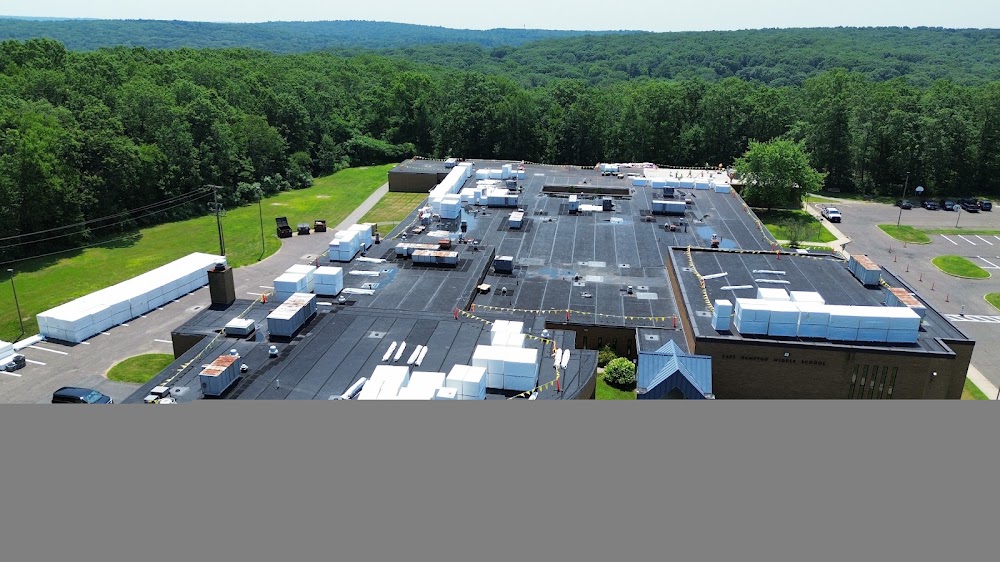
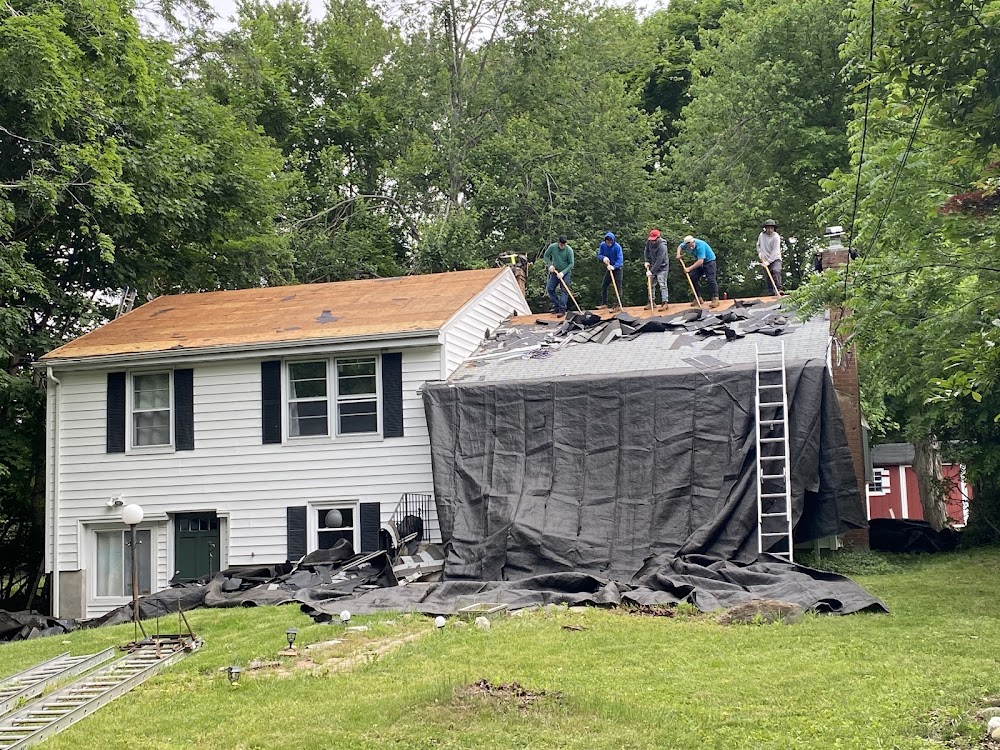
Flat and low-slope roofing is its own trade, separate from the steep-slope shingle work most residential crews handle. It covers systems like TPO, EPDM rubber, modified bitumen, and built-up roofing (BUR), along with the flashing, drainage, and insulation work that keeps a low-slope roof from pooling water and failing early. Middletown has 7 contractors in this category who work on warehouses, retail strips, apartment buildings, and additions with flat sections, and the right one for a strip mall reroof isn't always the right one for a small office building repair.
What to look for before hiring
Ask for manufacturer certification on the specific membrane system they're proposing (TPO and EPDM installers usually carry different credentials), and find out whether they offer a manufacturer-backed warranty versus just a workmanship warranty from the contractor itself. Get a clear scope on tear-off versus recover, since covering an existing roof is cheaper but can trap moisture if the old system has hidden damage. Insurance for commercial work, especially liability coverage sized for larger buildings, matters more here than on a typical house job.
How we rank these contractors
Our scoring weighs verified licensing and insurance, the volume and consistency of customer feedback, response time on quotes and warranty calls, and how a company handles complaints when they come up. We don't rank on marketing spend or self-reported claims. For the full breakdown of every contractor in the area, including those handling both residential and commercial work, see the ranked guide to Middletown roofing contractors. Our full scoring criteria are explained on the methodology page.