
Mold and health risks from a roof leak you have not fixed yet
By Dana Whitfield · Updated 2026-07-08
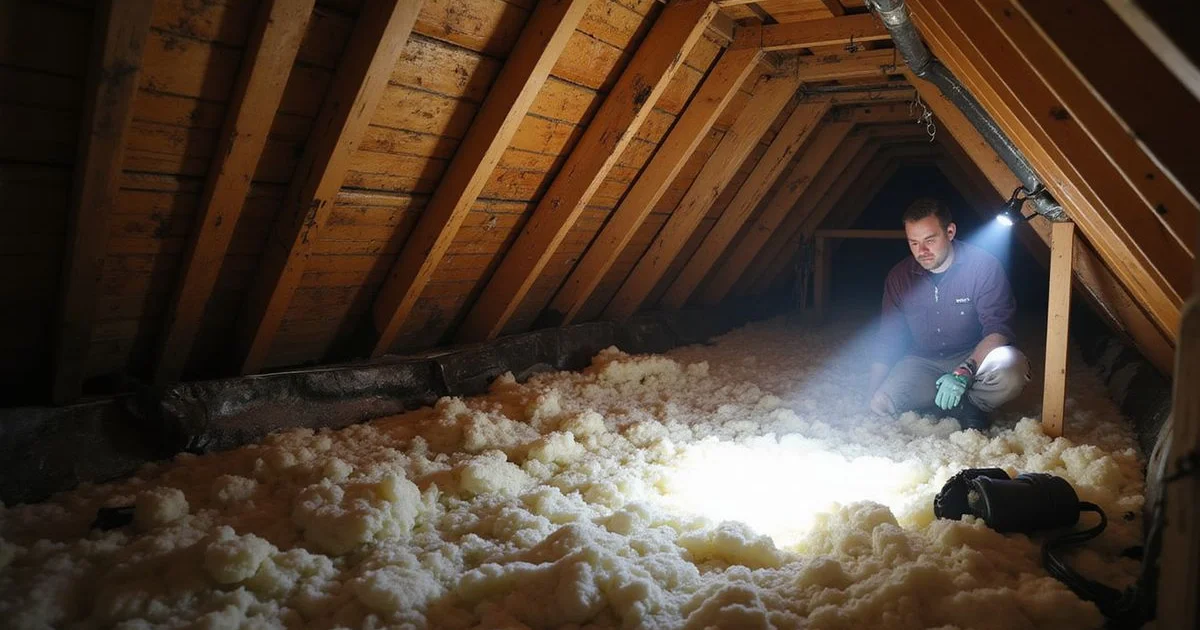
A roof leak rarely announces itself with a dramatic drip through the ceiling on day one. More often it starts small: a faint stain, a slightly musty smell in a closet, a patch of insulation that stays damp longer than it should. The gap between when a leak starts and when a homeowner notices it is exactly the window where mold gets its foothold, which is why catching the early signs matters as much as fixing the leak itself.
This guide gives general health and safety information about roof leaks and mold, not medical advice. If you or someone in your home has ongoing respiratory symptoms you suspect are related to mold, talk to a doctor.
How a small leak becomes a mold problem
Mold needs three things to grow: moisture, a food source like wood, drywall, or dust, and time. A roof leak supplies the first two automatically. Once water gets past shingles or flashing, it soaks into the roof decking, attic insulation, or ceiling drywall and can sit there long after the surface looks dry. In a humid New England summer or a poorly ventilated attic, that dampness can support mold growth within one to two days. The longer a leak goes unaddressed, whether because it is minor and easy to ignore or because it is hidden behind a wall or in an attic nobody checks often, the more time mold has to establish itself and spread beyond the original wet spot.
Warning signs worth acting on early
| Sign | What it usually means |
|---|---|
| Musty smell in one room or closet | Hidden moisture, even without visible staining |
| Yellow or brown ceiling stain | Water has already soaked through drywall or insulation |
| Peeling or bubbling paint near a ceiling | Moisture trapped behind the paint layer |
| Soft or spongy attic decking underfoot | Wood is absorbing water and may be structurally weakened |
| Visible dark spots on attic rafters or decking | Early mold growth, often before any smell reaches living space |
Any one of these on its own is worth a look. Two or more together are worth a call to a professional roofer or inspector sooner rather than later.
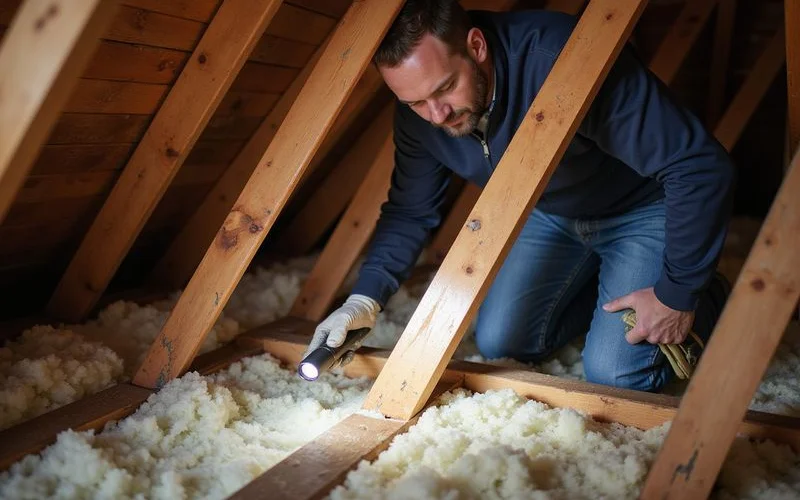
Checking an attic without turning it into a project
You do not need special equipment to do a basic check. On a dry day, look at the underside of the roof decking with a flashlight for staining, dark spots, or a sagging profile, and take a moment near any vent stacks, chimneys, or skylights, since these penetrations are common leak points. A quick seasonal look, especially after a hard winter or a stretch of heavy rain, catches most problems while they are still small and easy to fix.
Why this matters for health, not just for the roof
Mold exposure affects people differently. Some households live near mold with no noticeable reaction, while others, especially people with asthma, allergies, or compromised immune systems, can experience worsened respiratory symptoms, persistent coughing, or irritated eyes and skin. The uncertainty is exactly why the smarter move is prevention: stop the water source before mold has a chance to grow, rather than trying to figure out later whether a health symptom is connected to a roof problem.
What to do once you spot a leak
Get the source stopped first. A temporary tarp or patch can limit further water intrusion until a professional roof repair happens, but do not stop there since a patch is not a fix. Once the leak itself is repaired, any wet insulation, damaged drywall, or affected decking usually needs to be dried out or replaced, not just painted over, or the moisture trapped behind the surface can keep feeding mold growth out of sight. If the affected area is larger than a small ceiling patch, or if mold is already visible, a mold remediation specialist alongside your roofer may be worth bringing in.
For the roof repair itself, comparing quotes from roof repair contractors in Connecticut gives you a sense of typical scope and pricing for leak repairs in your area, and this directory’s rubric page explains how those listings are scored so you know what the ranking is actually measuring.
A leak that gets fixed within a day or two of appearing rarely turns into anything more serious. One that sits through a rainy season, quietly soaking the same spot, is a different story. If something looks or smells off in your attic or on a ceiling, it is worth quick, unhurried attention rather than a wait-and-see approach, and browsing roofing contractors across Connecticut is a reasonable place to start once you know a repair is needed.
FAQ
- How fast can mold grow after a roof leak?
- Mold can begin growing on damp wood, drywall, or insulation within 24 to 48 hours of sustained moisture exposure. A leak that gets patched quickly rarely becomes a mold problem; one that sits for weeks often does.
- What are the first signs of a roof leak I might miss?
- A faint musty smell in an upstairs room, a small brown or yellow ceiling stain, peeling paint near a ceiling line, or a slightly soft spot underfoot in an attic are all early signs, often noticed well before an obvious drip appears.
- Can I just paint over a ceiling stain instead of fixing the leak?
- Painting over a stain hides it but does not stop the source. If the roof is still letting water in, the stain will return and the moisture behind it keeps feeding potential mold growth.
- Does homeowners insurance cover mold caused by a roof leak?
- Coverage varies by policy and often depends on how quickly the leak was addressed once discovered. Check your specific policy language, since many insurers limit or exclude mold damage tied to a leak left unrepaired for an extended period.