
Winter roof prep: getting a Connecticut roof ready for snow and ice
By Dana Whitfield · Updated 2026-08-05
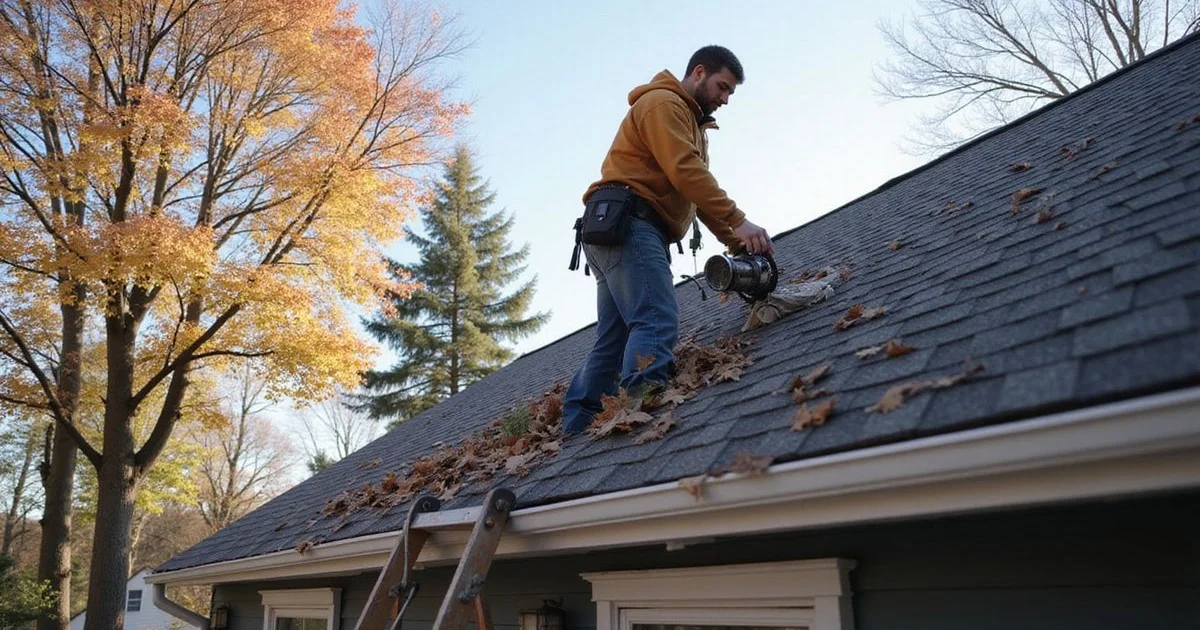
Connecticut winters put real stress on a roof: heavy wet snow, freeze-thaw cycles, and ice that finds every weak seam a roof has. Most winter roof emergencies trace back to something that was visible and fixable weeks earlier. A short pre-winter checklist catches most of it before the first real cold snap arrives.
Clear and check the gutters
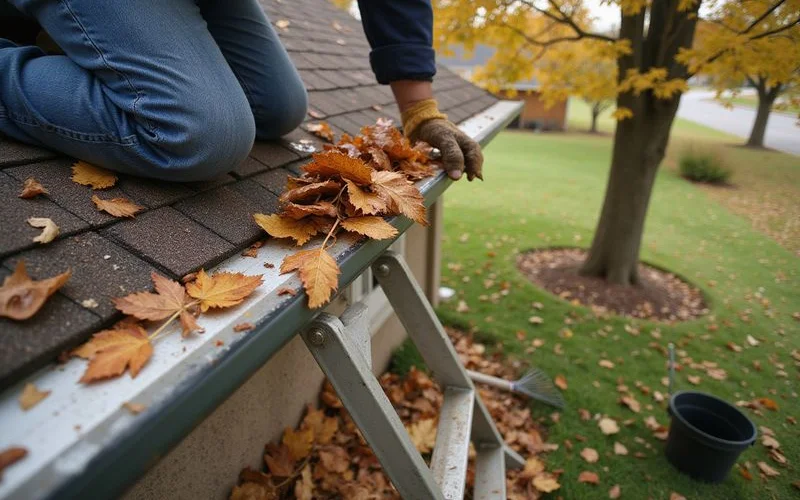
Clogged gutters are one of the most preventable contributors to winter roof problems. Leaves and debris block proper drainage, and when meltwater has nowhere to go, it can back up under the shingle edge. Clean gutters thoroughly in late fall, after most leaves have dropped, and check that downspouts are securely attached and directing water well away from the foundation.
Check flashing and roof penetrations
Walk the roofline from the ground with binoculars, or have a professional check up close, for any lifted or damaged flashing around chimneys, vent stacks, and skylights. These points are where the majority of winter leaks originate, since flashing that has worked loose over the year gives water and melting snow a direct path underneath the roofing material.
Look for early warning signs
| Sign | What to do |
|---|---|
| Missing or curling shingles | Repair before winter; exposed decking is vulnerable to moisture |
| Sagging gutters or loose brackets | Reattach or replace before heavy snow adds weight |
| Visible daylight in the attic | Have a professional check for gaps in flashing or decking |
| Water stains on attic decking or ceiling | Investigate and repair the source now, not after more snow falls |
| Poor attic ventilation, uneven attic temperature | Consider a ridge and soffit ventilation check |
Ventilation matters more than most homeowners expect
Balanced attic ventilation, warm air escaping through a ridge vent while cooler replacement air enters through soffit vents, keeps the attic closer to outdoor temperature. That matters in winter because an overly warm attic can cause snow on the roof to melt unevenly, then refreeze at the colder eaves, creating conditions that stress the roofing material at exactly the point most prone to water backup. If your attic tends to feel noticeably warm in winter, it is worth having ventilation checked before the season gets going.
Trim back overhanging branches
Branches that hang over or brush against the roof do double duty as a winter hazard: they drop debris into gutters all fall, and a heavy, ice-laden limb can snap and land directly on the roofing surface during a storm. Trimming branches back a few feet from the roofline before winter reduces both risks at once, and it is a job worth doing while a tree service can still get a ladder truck close to the house without navigating snow.
Reducing the odds of ice buildup at the eaves
A ridge of ice that forms at the roof’s edge and backs meltwater up under the shingles is one of the more damaging winter roof problems, and the conditions that cause it usually build up over the whole season rather than appearing overnight. Clear gutters, balanced attic ventilation, and adequate attic insulation all work together to keep the roof deck at a more even temperature, which is the single biggest factor in whether ice buildup becomes a problem at all. If your home has struggled with this in past winters, mentioning that history to a roofing contractor during a fall inspection lets them look specifically at ventilation and insulation rather than just the shingles themselves. Left unaddressed, that trapped water is exactly the kind of slow leak that can lead to mold problems inside the house, so treat any interior staining as a signal to act quickly.
What a professional pre-winter inspection covers
A roofing contractor doing a fall inspection typically checks shingle condition, flashing integrity, gutter attachment and flow, and attic ventilation, and flags anything that is likely to become a bigger problem once snow and ice are involved. This is generally far less expensive than an emergency winter repair, and it happens on your schedule rather than during a storm.
Getting ahead of the season
If your last roof inspection was more than a year or two ago, or if you noticed any issues during last winter that never got addressed, early fall is the right window to act. You can compare roof repair contractors in Connecticut for a pre-winter check and any needed repairs, and this directory’s rubric page explains how those listings are ranked and scored.
A roof that goes into winter in good shape rarely causes drama once the snow starts falling. The homeowners who deal with mid-winter emergencies are usually the ones who saw a warning sign in October and meant to get to it. If you are starting that search now, roofing contractors across Connecticut is a good place to compare options before the weather turns.
FAQ
- When should I get my roof ready for winter in Connecticut?
- Early to mid fall is ideal, after leaves have mostly dropped but before the first hard freeze, so gutters are clear and any repairs can happen in dry, moderate weather.
- Do I need to do anything special if I have a metal roof for winter?
- Metal sheds snow more readily than asphalt, so check that anything below the eaves, like walkways, decks, or parked cars, is clear of where sliding snow will land. Snow guards can help control where and how snow releases.
- How often should gutters be cleaned before winter?
- At minimum once in late fall after most leaves have dropped. Homes surrounded by mature trees often benefit from a second cleaning earlier in the fall as well.
- Can attic ventilation really affect winter roof problems?
- Yes. Poor attic ventilation lets warm air collect near the roof deck, which can contribute to snow melting and refreezing unevenly at the eaves. Balanced ridge and soffit ventilation helps keep attic temperature closer to the outside air.