
Roof repair before selling your house in Connecticut
By Dana Whitfield · Updated 2026-07-29
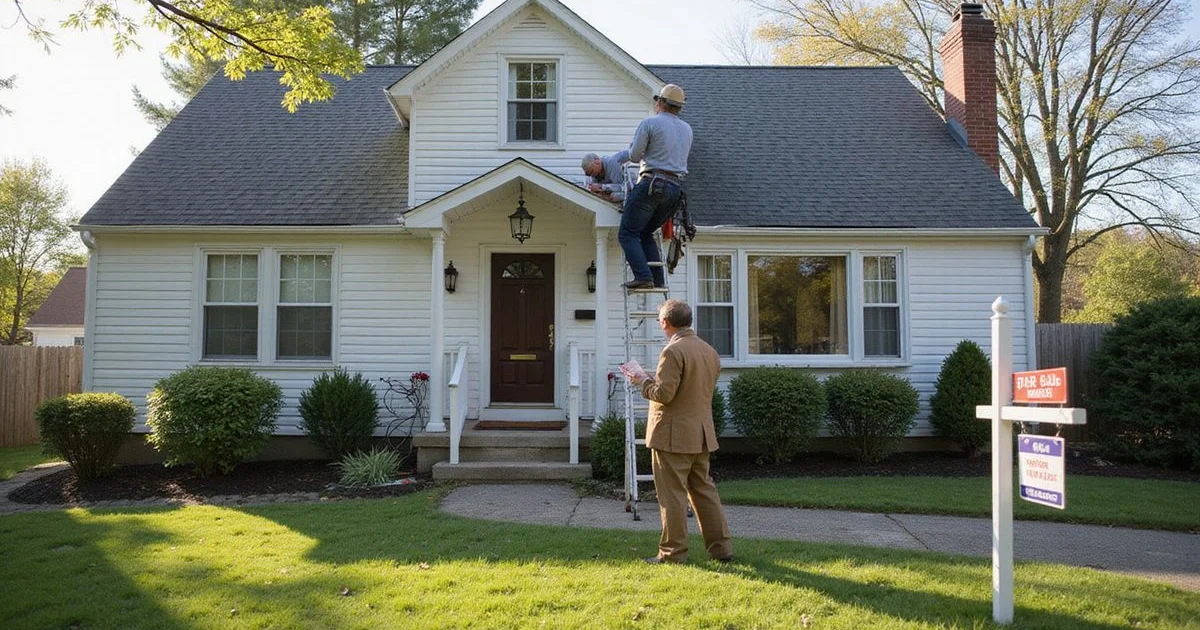
A roof in questionable condition is one of the few home defects that can derail a sale entirely, not because buyers necessarily walk away, but because lenders sometimes will. If you are getting ready to list a Connecticut home, deciding what to do about an aging or damaged roof before you list is worth thinking through early, not after an inspection report throws a wrench into a pending deal.
Why roofs get extra scrutiny during a home sale
Many mortgage lenders require a roof to have a minimum remaining useful life, often five years or more, before they will approve financing. A buyer’s home inspector will flag active leaks, missing shingles, or a roof clearly near the end of its life, and that report becomes a negotiating point even if the roof is technically still functional. Sellers are frequently surprised by how much room a roof issue gives buyers to negotiate, well beyond what the repair itself would have cost.
Repair, replace, or disclose and adjust price
| Situation | Reasonable approach |
|---|---|
| Roof has years of life left, minor cosmetic issues | Usually no action needed before listing |
| A few damaged or missing shingles, otherwise sound roof | Spot repair before listing; low cost, removes an easy objection |
| Roof nearing end of expected lifespan | Consider replacement if budget allows, or disclose and price accordingly |
| Active leak or significant storm damage | Repair before listing in most cases; this is the type of issue most likely to kill financing |
If a full replacement is not in the budget or timeline, disclosing the roof’s condition and pricing the home to reflect it is a legitimate path, and in Connecticut sellers generally have disclosure obligations around known material defects. A real estate agent familiar with your local market can advise on how much of an adjustment buyers typically expect for roof age or condition.
This is general information about how roof condition affects a home sale, not legal or real estate advice specific to your transaction. Talk with your real estate agent or attorney about your disclosure requirements.
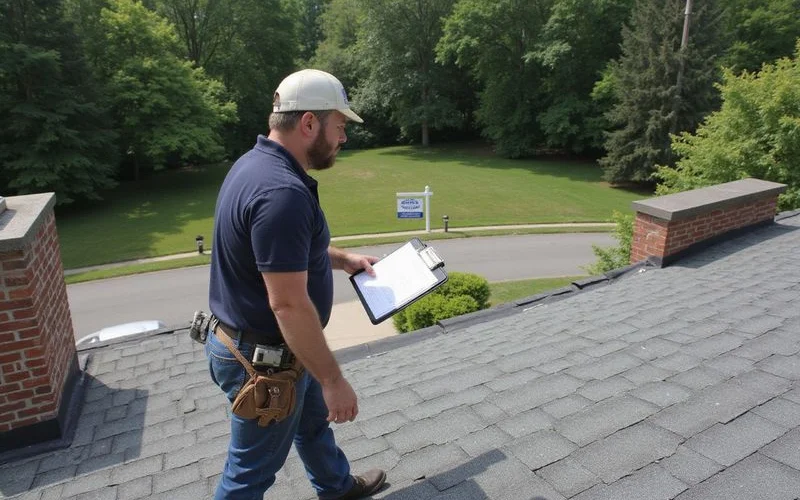
How agents and appraisers typically view roof condition
A real estate agent pricing your home will usually factor roof age and condition into their comparative market analysis, and an appraiser may note a roof nearing the end of its expected life as a condition issue that affects value, separate from any lender-required repair. Neither necessarily requires a full replacement before listing, but both are a reminder that roof condition is rarely invisible to the people involved in setting and confirming your home’s price.
Getting ahead of the buyer’s inspection
A pre-listing roof inspection, done before you put the house on the market, gives you the same information a buyer’s inspector will find, but on your own timeline instead of during a tense negotiation. It lets you decide calmly whether to repair, replace, or price around the issue, rather than reacting under pressure with a deal already on the table. A written inspection report is also useful to have on hand if a buyer’s own inspector raises the same points; showing you already know about and priced for an issue tends to keep negotiations calmer than a defect that comes as a surprise.
Weighing the cost against the return
A full roof replacement rarely returns its full cost dollar-for-dollar in a higher sale price, but it does something arguably more valuable during a sale: it removes one of the most common reasons a deal falls apart or gets renegotiated late in the process. For a roof with real years left but a few rough spots, a targeted repair is usually the better return on a modest investment.
If you decide repair or replacement makes sense before listing, compare a few roof repair contractors in Connecticut for a straightforward quote, and check this directory’s rubric page to see how listings are ranked before you choose one.
Selling a house with an aging roof is not automatically a problem, as long as you go in with eyes open about how buyers and lenders will treat it. A pre-listing inspection turns an unknown into a decision you get to make on your own terms, and roofing contractors across Connecticut are a reasonable place to start once you decide what to do.
FAQ
- Will a bad roof stop my house from selling?
- Not usually on its own, but it can slow the sale, scare off financed buyers whose lender requires a roof inspection, and give buyers room to negotiate the price down further than the repair would have cost you.
- Do I need to disclose roof problems I know about?
- Connecticut generally requires sellers to disclose known material defects. Talk to your real estate agent or attorney about your specific disclosure obligations rather than guessing.
- Should I repair the roof myself or offer a credit at closing?
- Either can work. A credit avoids the hassle of coordinating repairs before closing, but some buyers and their lenders prefer to see the work already done rather than take on the project themselves after moving in.
- Does a new roof increase my home's sale price dollar for dollar?
- Rarely dollar for dollar, but a roof in good condition removes a common point of buyer hesitation and financing friction, which can help a home sell faster and closer to asking price than one with a visibly aging roof.